-
![]()
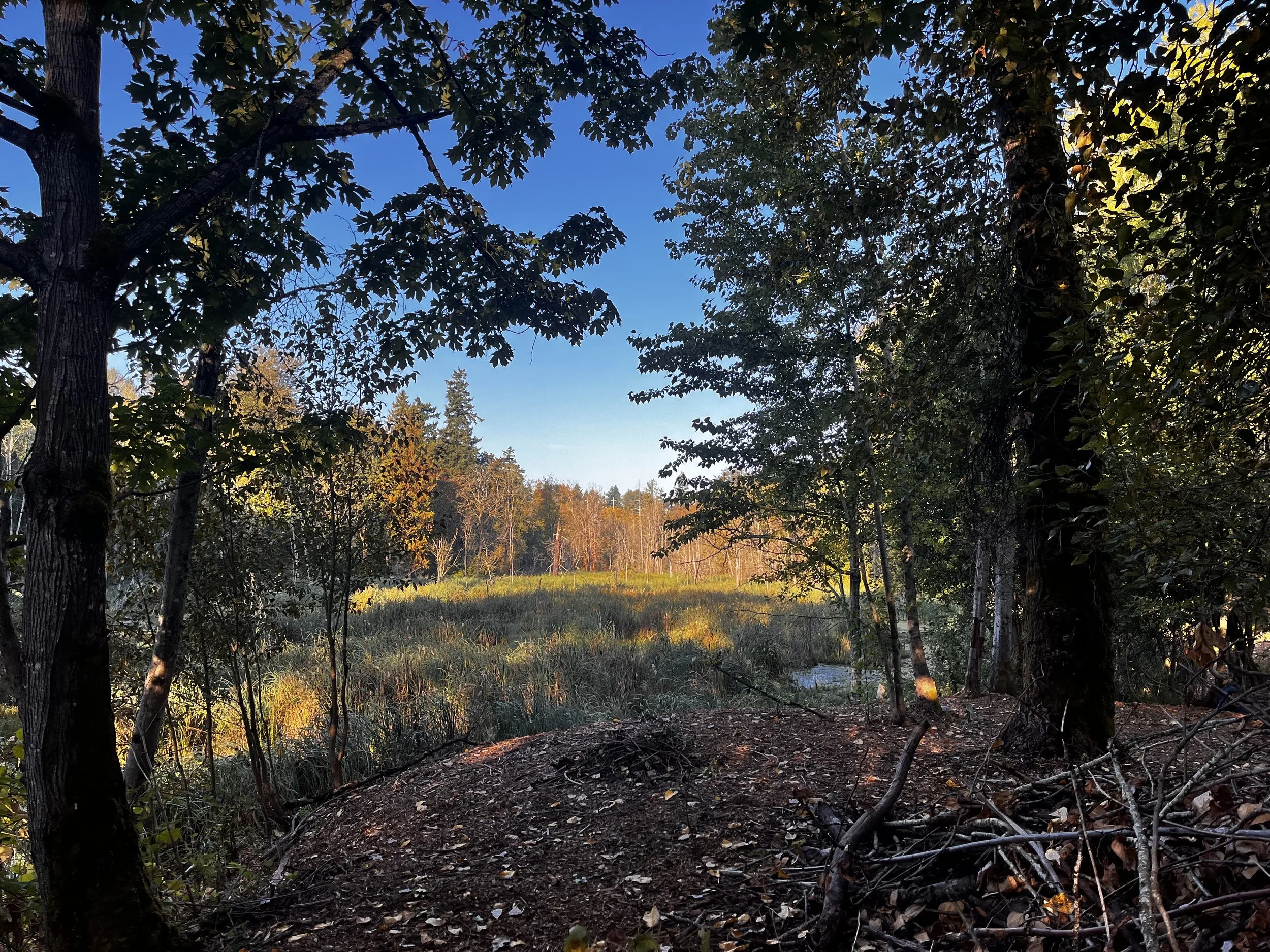
Watershed restoration, invasive plant removal, toxic waste removal, tree planting and functional planning at Taylor Creek Headwaters
-
![]()
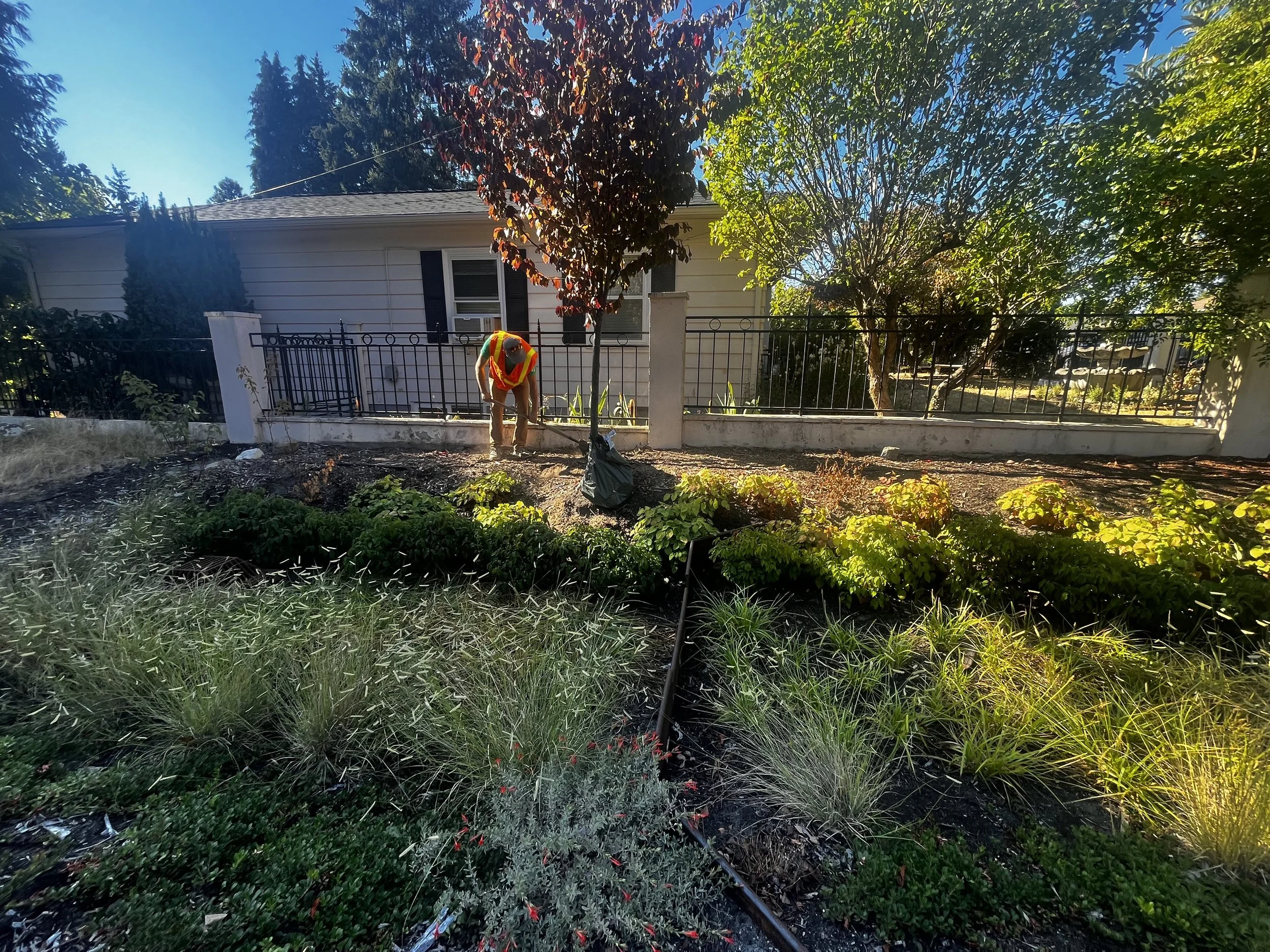
Green stormwater infrastructure maintenance, invasive plant removal, solarization, propagation and watering at Longfellow Creek
-
![]()
County-standard installations of residential raingardens offering a diversity of native plant species, specializing in pollinators and edible gardens.
-
![]()
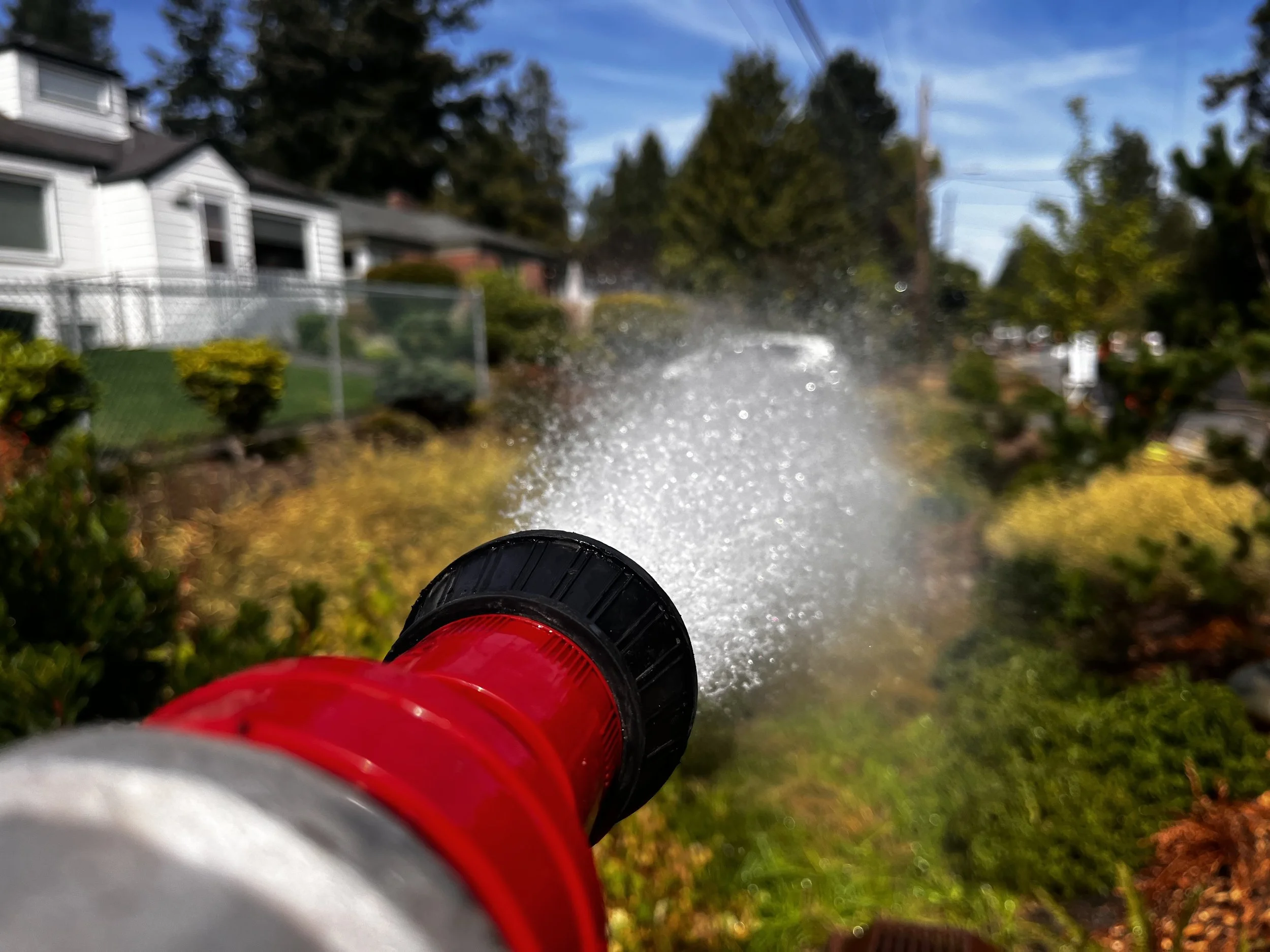
Maintenance of Seattle Public Utilities Northgate rain gardens including watering, invasive plant removal, and monitoring reports with photo surveys.
-
![]()
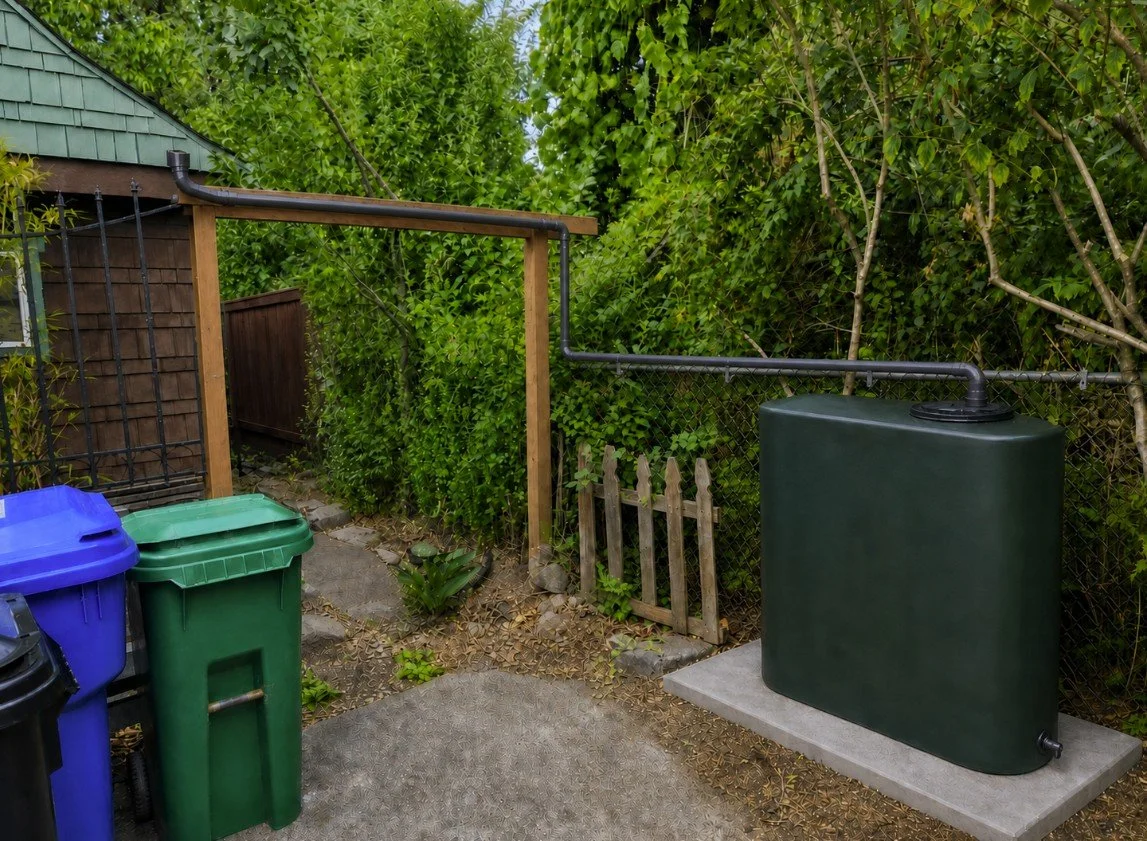
Cistern installations according to RainWise standards and city codes, including drain work and foundation building.

Seattle Opportunity Work Corps (SOW Corps) and Seattle Public Utilities
Seattle Jobs Initiative’s Seattle Opportunity Work Corps (SOW Corps) provides career-connected, cohort-based training that prepares Seattle residents for emerging green stormwater infrastructure (GSI) and related utility careers.
Key features
Hands-on technical training in GSI installation and maintenance
Leadership development integrated into cohort learning
Career pathways and connections to employers in stormwater, water, and solid waste sectors
Produces a pipeline of qualified workers ready for municipal and private-sector projects
GreenDeck’s Origin
From SOW Corps training and partnerships, GreenDeck has grown into a recognized leader in RainWise projects and other ecological and environmental sustainability efforts across Seattle.
What GreenDeck delivers
Design: Site-appropriate GSI plans that align with city requirements and neighborhood needs
Installation: Skilled crew professionals trained in SOW Corps practices, ensuring durable, functional systems
Maintenance: Ongoing care plans to preserve performance, improve designs, and uphold structural integrity.
Why it matters
Aligns workforce development with municipal stormwater goals and empowers career starts
Ensures quality and consistency in GSI projects through shared professional standards
Strengthens local job pathways while improving urban resilience and neighborhood green space
Training and workforce outcomes
Cohort-based learning: Participants train in small groups that simulate workplace values, fostering communication, collaboration, and peer support. This space is designed for learning leadership skills, building trust, and developing values that lead to professional success.
Technical competencies: Curricula cover site assessment, soil and planting selection, excavation and grading, underdrain and overflow installation, erosion control, and post-installation maintenance—skills required for professional GSI work.
Leadership and professional development: Training includes workplace readiness, safety practices, certifications where applicable, and career navigation assistance to transition trainees into long-term employment.
Career pathways: The program connects graduates to public agencies, contractors, and nonprofit employers engaged in stormwater management, environmental remediation, and urban greening.
Compliance: GreenDeck adheres to the City of Seattle’s RainWise program guidance and technical standards
Regulatory compliance: Design and installation meet municipal permitting and inspection requirements.
Performance-based outcomes: Rain gardens and GSI installations are constructed to achieve stormwater retention, infiltration, and pollution reduction goals with a variety of solar powered accessories that pump and filter runoff.
Long-term stewardship: Maintenance protocols and monitoring plans are implemented to sustain functionality and protect public investments.
Community and environmental benefits
Workforce development: The model creates living-wage job opportunities for local residents, particularly from historically underserved communities.
Climate resilience: Distributed GSI reduces stormwater runoff, mitigates flooding, and enhances urban heat resilience through increased vegetation.
Neighborhood improvement: Rain gardens and related projects provide aesthetic, recreational, and biodiversity benefits while delivering measurable water-quality improvements.
Conclusion: By combining SOW Corps’ cohort-based, career-connected training with adherence to RainWise standards, GreenDeck has access to skilled crews capable of delivering high-quality rain garden and GSI projects across Seattle. This integrated approach advances municipal stormwater objectives, strengthens local workforce pipelines, and delivers durable environmental and social benefits to Seattle communities.